
Understanding the psychological effects of casinos on decision-making and behavior
The Allure of Gambling: Psychological Triggers
The psychological effects of casinos begin with the powerful allure they hold over individuals. The vibrant lights, the sounds of spinning slots, and the excitement of live games create a sensory overload that engages players deeply. This environment can trigger the release of dopamine, a neurotransmitter associated with pleasure and reward. As players experience these bursts of excitement, they often find themselves drawn to gamble more, believing they will replicate the thrill of their first win. This cycle of anticipation and reward becomes a compelling reason to keep returning, especially when exploring options like slotszer casino.
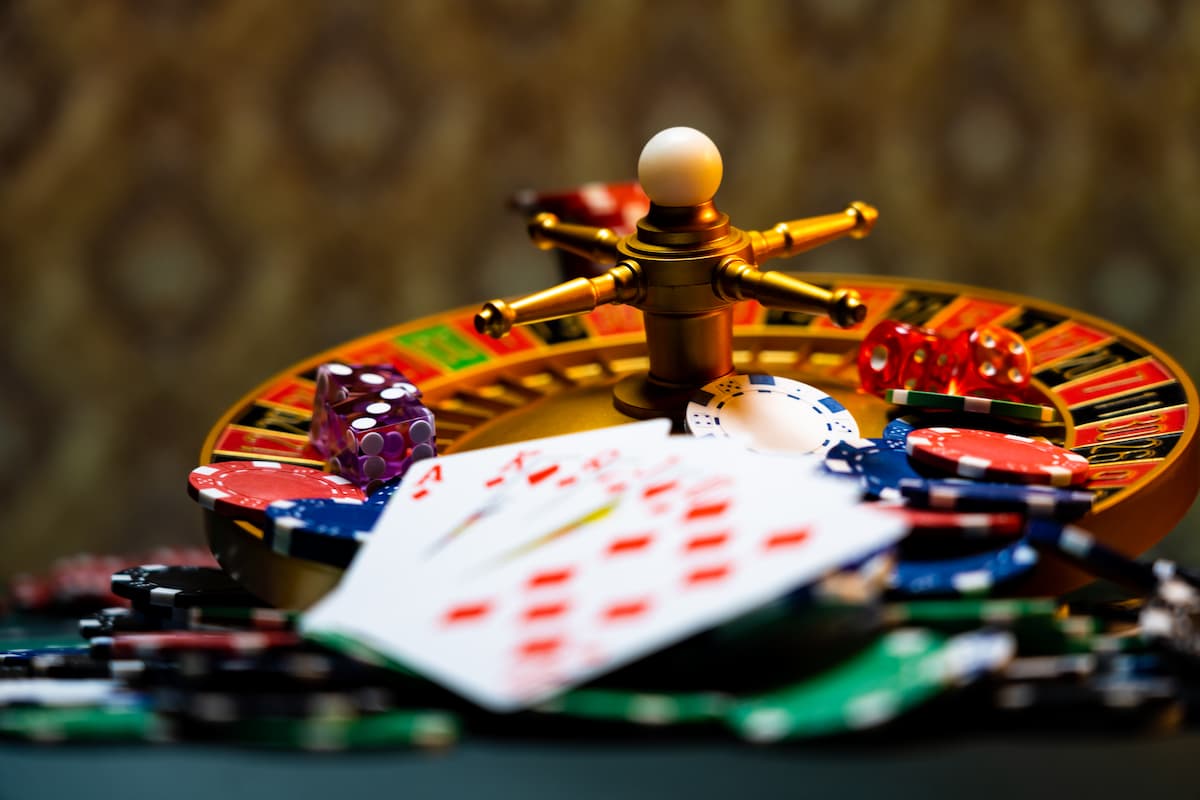
Moreover, casinos utilize various psychological triggers such as near-misses and intermittent rewards to enhance the gaming experience. When players come close to winning, they are often more motivated to continue playing, convinced that their luck is just around the corner. This reinforcement of behavior can lead to an increased risk of gambling addiction, as players may chase their losses instead of recognizing the importance of responsible gambling. The casinos strategically design their games to exploit these psychological mechanisms, effectively drawing individuals into a pattern of repeated play.
Additionally, the social aspect of gambling can further influence decision-making. Many players are attracted to the communal environment of casinos, where they can engage with others and share in the excitement of the game. This social interaction can amplify the urge to gamble, as players feel a sense of belonging within the casino community. The combination of sensory stimulation and social reinforcement creates a potent cocktail that can significantly impact an individual’s decision-making process when it comes to gambling.
The Role of Cognitive Biases in Gambling
Cognitive biases play a significant role in how individuals make decisions while gambling. One prevalent bias is the “gambler’s fallacy,” where players believe that past outcomes will influence future results. For instance, someone may think that a slot machine is “due” for a payout after a long losing streak. This erroneous belief can lead individuals to wager more than they can afford, hoping for a turnaround that is statistically unlikely. Understanding these biases is crucial for both players and the industry in promoting responsible gambling habits.
Another common bias is overconfidence, where players overestimate their understanding of the odds and strategies associated with games. This can be particularly dangerous in games that require skill, such as poker or blackjack, where individuals might believe they can outsmart others. This overconfidence can lead to reckless betting behavior, as players fail to recognize their limitations. As a result, they might ignore basic strategies that could mitigate losses, ultimately affecting their long-term success.
Lastly, loss aversion, a principle rooted in behavioral economics, influences gambling behavior significantly. Research shows that individuals feel the pain of losses more acutely than the pleasure of gains. This principle leads players to engage in riskier bets as they attempt to recover their losses. Understanding these cognitive biases is essential for developing strategies that promote healthier gambling practices, ensuring that individuals recognize the psychological traps at play within the casino environment.
The Emotional Impact of Gambling
The emotional landscape of gambling is complex and multifaceted. Many individuals gamble to escape from stress or negative feelings, seeking a temporary reprieve from reality. This emotional escape can lead to a cycle where the individual increasingly relies on gambling as a coping mechanism. While winning may provide a momentary boost in mood, the inevitable losses can lead to feelings of shame, guilt, and anxiety, further entrenching the individual in a destructive cycle.
Furthermore, the emotional highs and lows associated with gambling can affect a player’s overall mental health. The thrill of a big win can elevate mood significantly, but the corresponding lows after losing can lead to severe emotional distress. This volatility can result in emotional instability, making it challenging for individuals to maintain healthy relationships and cope with everyday stressors. The emotional toll can extend beyond the individual, impacting families and communities.
To combat these emotional challenges, awareness and education about the psychological impacts of gambling are critical. Promoting responsible gambling practices can help individuals set limits and recognize when their gambling behavior is becoming problematic. Support systems, such as counseling and peer groups, can also provide crucial assistance, helping individuals navigate their emotional responses and develop healthier coping mechanisms.
The Impact of Environment and Design in Casinos
The physical environment of a casino plays a vital role in shaping decision-making and behavior. Casinos are strategically designed to keep players engaged and prolong their stay. The absence of clocks and windows can create a disorienting effect, making it difficult for individuals to gauge the passage of time. This design choice encourages players to remain in the gaming area longer than intended, increasing their chances of betting more.
Moreover, the arrangement of games and amenities influences player behavior. High-stakes areas are often positioned near popular attractions, encouraging players to move between them and enticing them to gamble more. The strategic placement of dining options, bars, and lounges creates a comprehensive experience that keeps players in the casino longer. This design not only enhances revenue for the establishment but also affects individual decision-making, as players may feel more inclined to wager while in such an immersive environment.
Finally, lighting and sound play critical roles in the overall gaming experience. Bright lights and upbeat music create a festive atmosphere that can alter mood and increase excitement. This sensory stimulation can lead to impulsive decisions, as players become engulfed in the thrill of the moment. Understanding how these environmental factors influence behavior is essential for promoting responsible gambling practices, encouraging players to remain mindful of their decisions.
Exploring Responsible Gambling at Slotszer
At Slotszer, understanding the psychological effects of gambling is paramount to promoting responsible gambling. The platform not only provides an extensive array of games and sports betting options but also emphasizes the importance of making informed decisions. By integrating educational resources, Slotszer aims to equip players with the knowledge they need to recognize cognitive biases and emotional responses related to gambling.
Moreover, Slotszer implements features to help players maintain control over their gambling habits. Players can set limits on deposits, losses, and gaming time, ensuring they engage with the platform responsibly. This commitment to responsible gambling is reflected in the user-friendly interface and comprehensive support options available to players, including access to professional help when needed.
In conclusion, Slotszer is dedicated to creating an entertaining yet safe gaming environment. By fostering awareness of the psychological aspects of gambling, Slotszer promotes healthier decision-making and encourages players to seek enjoyment without compromising their well-being. Join Slotszer to experience not only thrilling gameplay but also a community that values responsible gambling practices.